Sciatica
What is this? This is a collection of resources and exercises that I've found helpful in dealing with sciatic pain.
In 2020, I got a herniated disc between my L5 and S1 vertebrae caused from too much sitting and not enough core strength. I limped along with it, started doing some strength training in 2021, and then I got it again because I was over ambitious and didn't focus enough on core strength.
While I was recovering, I tried to understand what was happening without, you know, actually seeing a doctor or an expert. Both sciatica and piriformis syndrome pinch nerves somewhere around your hips, causing leg and back pain and neuropathy.[1][2] Here's the key difference:
Sciatica specifically describes a herniated disc which is pressing on your sciatic nerve, typically between your L4/L5 or L5/S1 vertebrae.
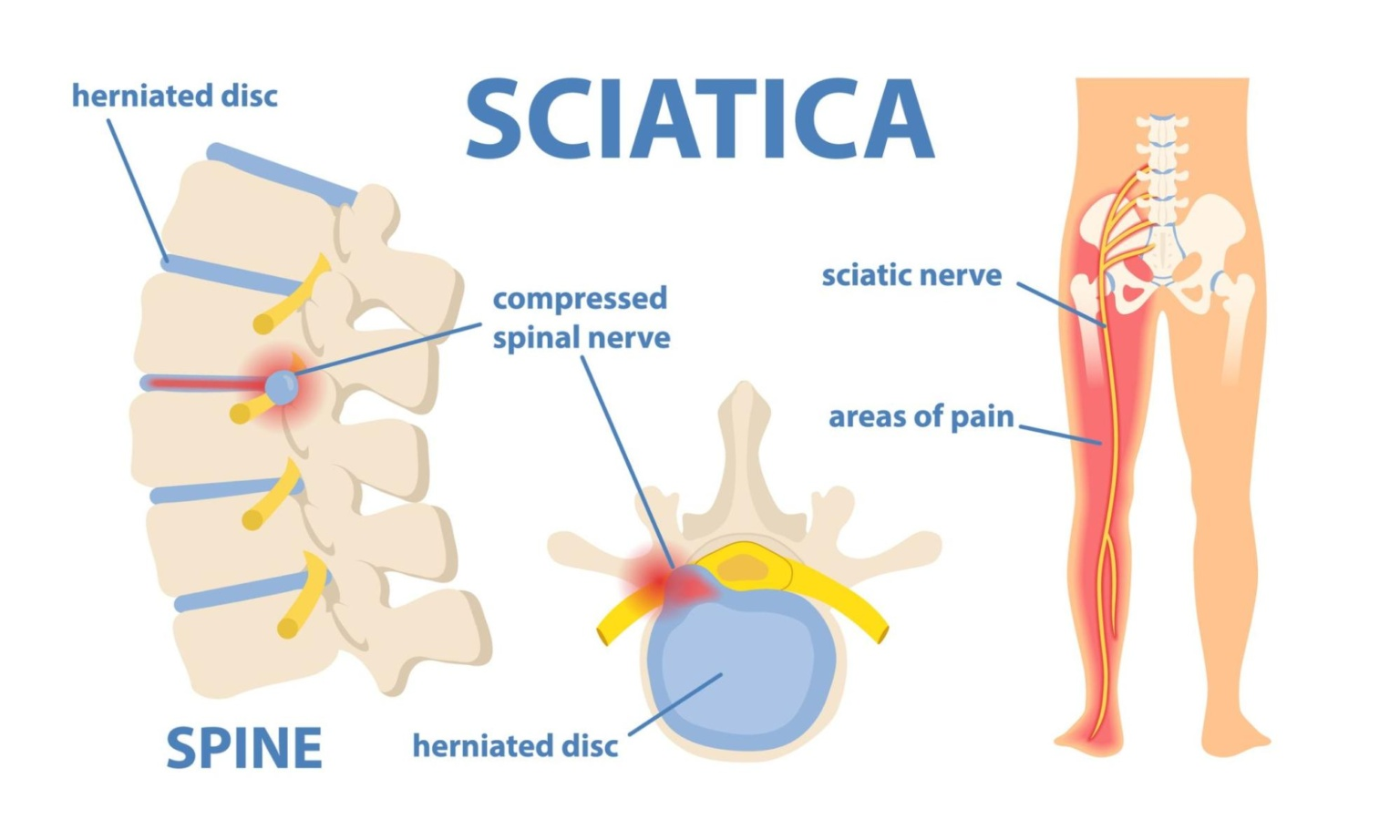
Source: Sciatica: Causes, Symptoms, and Effective Exercises
Piriformis syndrome describes the piriformis muscle in your butt compressing your sciatic nerve or other nerves.
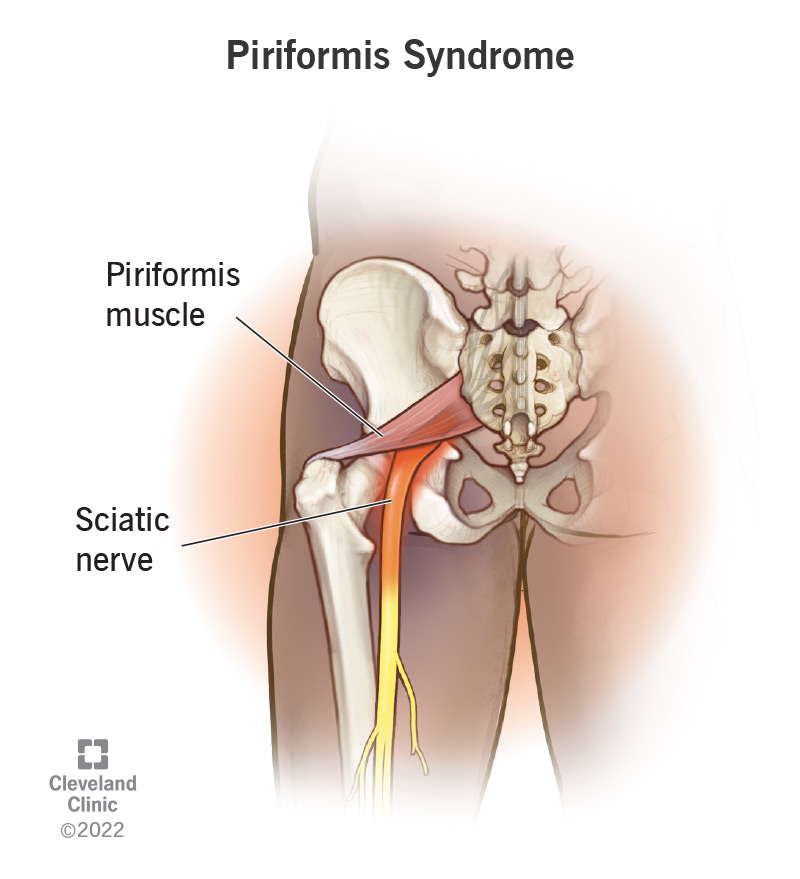
Source: Piriformis Syndrome: Symptoms, Causes and Treatment
When you're in this kind of pain, it can feel like the answer is to move as little as possible; you're not sure what's going to cause pain, and any little tweak can lay you low for hours or days. However, the fact is that you need to move and strengthen your muscles to recover.
Exercises
Do not do any exercises to the point of pain; use discomfort as your barrier, and move within your zone of comfort.
These are my list of top-rated exercises that have helped me to recover. If I don't mention the specific time, then I think the whole video holds valuable information.
The Fundamental Exercises
TA and pelvic floor engagement/activation
I cannot emphasize enough how important this video is.
Before doing any kind of exercise, follow the instructions in this video to engage your TA and pelvic floor.
If you do not, you will likely use alternative systems (e.g., other muscle groups or your skeleton) to perform the exercise, reducing its efficacy at best and actively hurting yourself at worse.
It's very safe for you physically, requiring little to no movement, and is ideal to do before getting out of bed or standing idle.
Pelvic tilts
This builds on the TA engagement video from before, and incorporates movement, which is crucial.
Cobra pose
This is a great short video that skips a lot of the fluff; be very careful not to push beyond your comfort.
Planks
As you get stronger and feel more mobile, you can incorporate planks into your workout/routine. This video is great and works from wall planks to supported planks to full planks.
Living life
Getting out of bed
This is good, but it relies on you having some kind of core strength, which is not always guaranteed. Before trying this, use the exercises below to engage your core so you don't rely on tertiary systems (like your spine).
Bad symptoms related to nerves. Neuro- meaning nerves and -pathy meaning disease. ↩︎